Swimming stoats test New Zealand's century-old island refuge for kiwi and kākāpō
Daily Hobby
Updated November 27, 2026
Since 2008, a Department of Conservation program has worked to control stoats on Resolution Island, a refuge at the southwest edge of New Zealand's South Island set aside for kiwi, kākāpō and other native birds.
Water alone has never kept the predators out. Stoats can swim there, and people began spotting mustelids on the island in 1900, less than a decade after it became a reserve.
People have tried to protect its birds since 1891, first with a single caretaker and a rowboat, now with a government program.
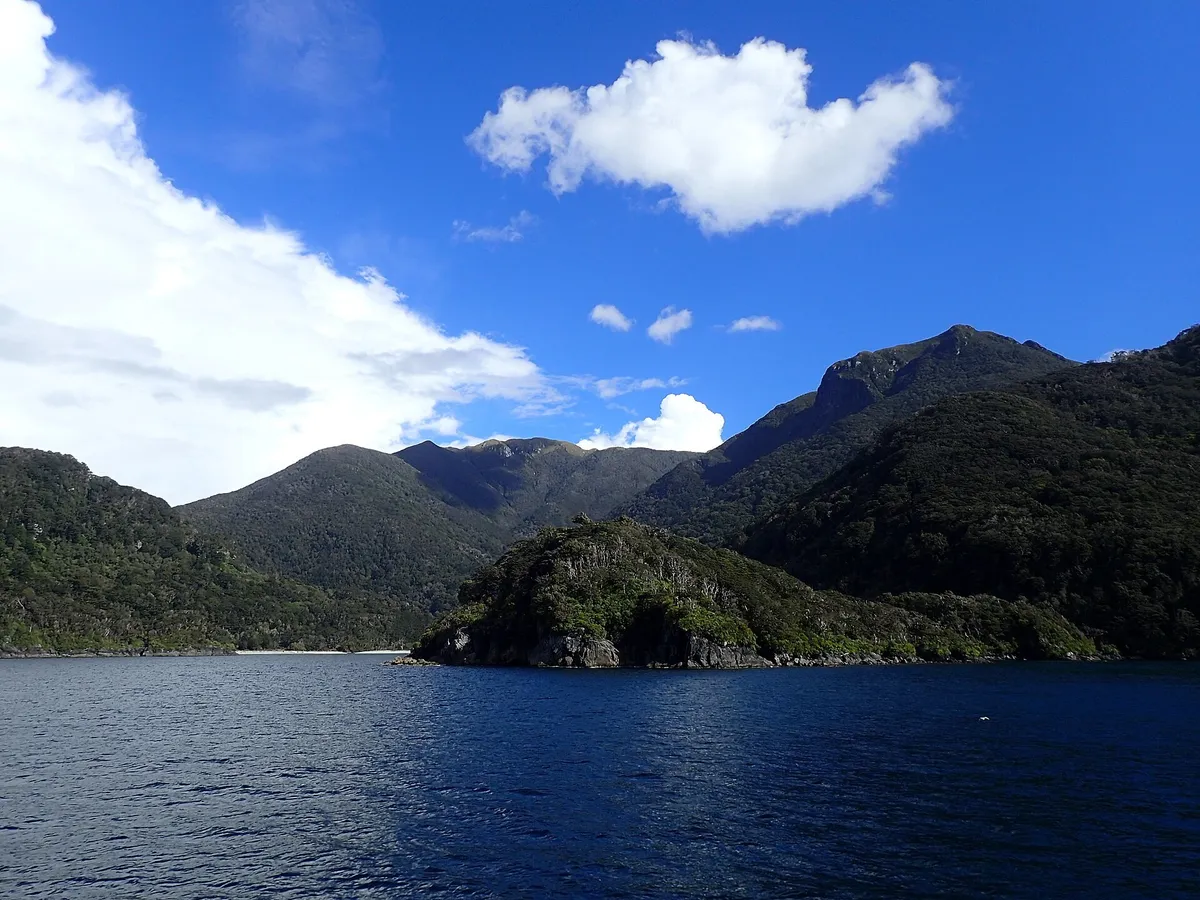
Resolution is the biggest of the roughly 90 islands in Fiordland National Park. Nobody lives on it.
From the shoreline, the land climbs steeply to Mount Clerke, its highest point at 1,069 meters (3,507 feet). Coastal bogs and wetlands give way to podocarp forests on the middle slopes, and tussock grasslands take over higher up, in the subalpine and alpine zones.
A Landsat 9 satellite captured the island on Dec. 12, 2025, in an image published by NASA's Earth Observatory. It shows steep valleys that glaciers cut and the ocean has since filled.
Offshore, the Taumoana (Five Fingers Peninsula) Marine Reserve guards the entrance to Dusky Sound, with its estuaries and rocky reefs that take the full force of the waves.
Its story as a sanctuary began in the late 1800s. That's when conservationists in New Zealand saw that stoats and other predators, introduced to keep other nonnative animals in check, had turned into a danger to native birds.
Naturalists of the period thought some of the country's islands could become sanctuaries, places where species found only in New Zealand could survive without those predators.
Resolution was among the first islands they considered. In 1872, conservationist Thomas Henry Potts proposed it as a shelter, writing that "wingless species, and birds of feeble powers of flight, might there find a refuge for some of their representatives."
Nineteen years later, in 1891, the island became a reserve, with Richard Henry named its caretaker.
Henry spent years ferrying more than 700 birds, mostly kiwi and kākāpō, to Resolution and nearby islands. He did it by rowboat.
When mustelids turned up in 1900, he meant to trap them. In the end he gave up on the project and took a caretaking job on another island.